I longed to be a writer even before I fully understood the power of writing, how words can influence society and drive positive change.
What drew me in was not theory, but the emotional force of writers whose works stirred feelings and shaped perspectives. Like many young people, I was inspired by renowned authors, unaware of the challenges that accompany the craft.
In the early days of my writing journey, there was a popular Hausa slogan, “kan ta waye,” used to describe the perceived ignorance of new writers. It reflected the reality of being a newcomer—especially the exploitation and extortion many faced during the publishing process.
Writers encounter numerous challenges, but the most prominent include gathering reliable data, finding the time and right mental space to write, and ultimately securing professional publishers who can properly edit and publish their work.
When I completed my first manuscript, I felt on top of the world, eagerly anticipating the day I would hold a hard copy of my book. I did not foresee the difficulties that lay ahead, even after overcoming the hurdles of research and writing.
In the 1990s, publishing a book was far more difficult than it is today. Traditional publishers—once the backbone of Hausa literature were mostly out of business. Those that survived focused only on established names to maximize profits, leaving new writers with few options.
What was widely available then was self-publishing. Writers had to approach semi-publishers or printers to produce their books, sponsoring every aspect of the process themselves.
In some cases, bookshops would buy manuscripts outright and publish them under the writer’s name, but regardless of how many copies were sold, the writer had no share in the returns.
Even after successfully self-publishing, writers faced another major challenge: promotion and marketing. In reality, one cannot be both a writer and a marketer. Selling books requires a separate skill set, forcing writers to depend on booksellers.
This dependency often led to exploitation. Many budding writers fell into the hands of dishonest booksellers who collected their books and never returned either the proceeds or the unsold copies.
Many budding writers fell into the hands of dishonest booksellers who collected their books and never returned either the proceeds or the unsold copies.
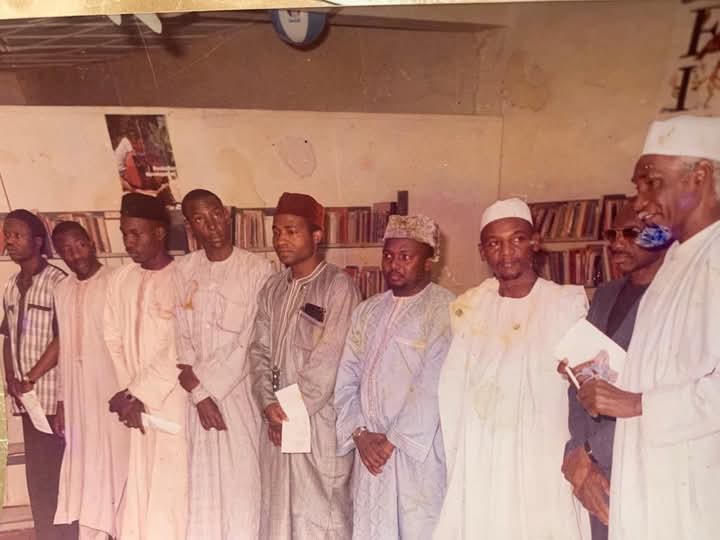
During my tenure as Chairman of the Association of Nigerian Authors (ANA), Kano State Branch, I received numerous complaints related to breaches of trust. Some disputes escalated to court cases, requiring intervention by the association.
Books cannot succeed without promotion. Without professional publishers equipped with dedicated staff and clear marketing strategies, emerging writers struggle to gain visibility.
Many possess excellent manuscripts that never see the light of day. Even those who manage to self-publish often lack proper promotion, leading their books to go out of print.
In the end, enthusiasm fades, passion diminishes, and many writers abandon the craft—not because they lack talent, but because the system fails them.
© Zaharaddeen Ibrahim Kallah is a former President of the Association of Nigerian Authors (ANA), Kano State chapter