The Federal Government has assured Nigerians that it has activated measures to contain the Ebola virus disease following the confirmation of an imported case in the country.
The Chairman of the Presidential Task Force on Ebola Preparedness, Virus Disease Preparedness and Emerging Public Health Threats, Femi Gbajabiamila, gave the assurance on Wednesday after an emergency meeting of the task force at the State House, Abuja.
Gbajabiamila, who is also the Chief of Staff to President Bola Tinubu, said the government had been working behind the scenes since the task force was inaugurated in June to strengthen surveillance and prepare the country for potential outbreaks.
He attributed the early identification of the index case to the surveillance systems and protocols put in place by the Ministry of Health and relevant agencies.
According to him, Nigeria has recorded about 44,000 flights into and out of the country since Ebola preparedness efforts began in June, making the surveillance measures crucial to detecting potential cases.
“The passenger with the disease showed no symptoms, which came four days after the woman got into Abuja, and it was the identification process and the protocols that were put in place that enabled the quick identification,” he said.
Gbajabiamila said the development demonstrated the importance of Nigeria’s preparedness and its capacity to respond to public health threats.
He added that the task force would strengthen existing protocols and ensure more rigorous enforcement of preventive measures.
“The Task Force is on top of it. NCDC is on top of it; everyone is on deck. We must build community trust and avoid panic, but it’s also important to state clearly that this is a collaborative effort between the government and the people,” he said.
He urged Nigerians to cooperate with health authorities and comply with public health directives to prevent further transmission of the virus.
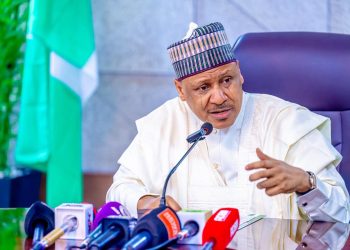
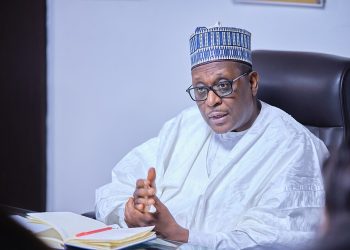
Also speaking, the Coordinating Minister of Health and Social Welfare, Professor Muhammad Ali Pate, said Nigeria had competent health authorities and established surveillance systems capable of responding to the outbreak.
He listed the Nigeria Centre for Disease Control and Prevention (NCDC), private healthcare providers, immigration and aviation authorities, the Ministry of Interior and subnational governments among the institutions involved in the response.
Pate said health authorities had commenced contact tracing and were isolating contacts of the imported case as part of efforts to prevent further spread of the disease.
He added that the Federal Government, working with the World Health Organisation (WHO), the Africa Centres for Disease Control and Prevention (Africa CDC) and the NCDC, had activated the incident management system across relevant response areas.
According to him, response teams are working round the clock, while hospital preparedness and other essential capabilities have been activated to contain the outbreak.
“We have been conducting contact tracing diligently and isolating those contacts of the index imported case in this country. We will continue to do that,” he said.
The minister expressed confidence in the country’s response capacity, noting that most states had developed response plans and that the government was mobilising available resources to tackle the outbreak.
He, however, warned against the spread of misinformation and unsubstantiated rumours, saying they could trigger unnecessary public panic and undermine response efforts.
Pate also recalled Nigeria’s experience in containing Ebola in 2014, expressing confidence that the country could draw on the expertise of public health professionals who managed the outbreak and supported other countries.
He urged Nigerians to adhere to public health advice and cooperate with health officials as the response continues.
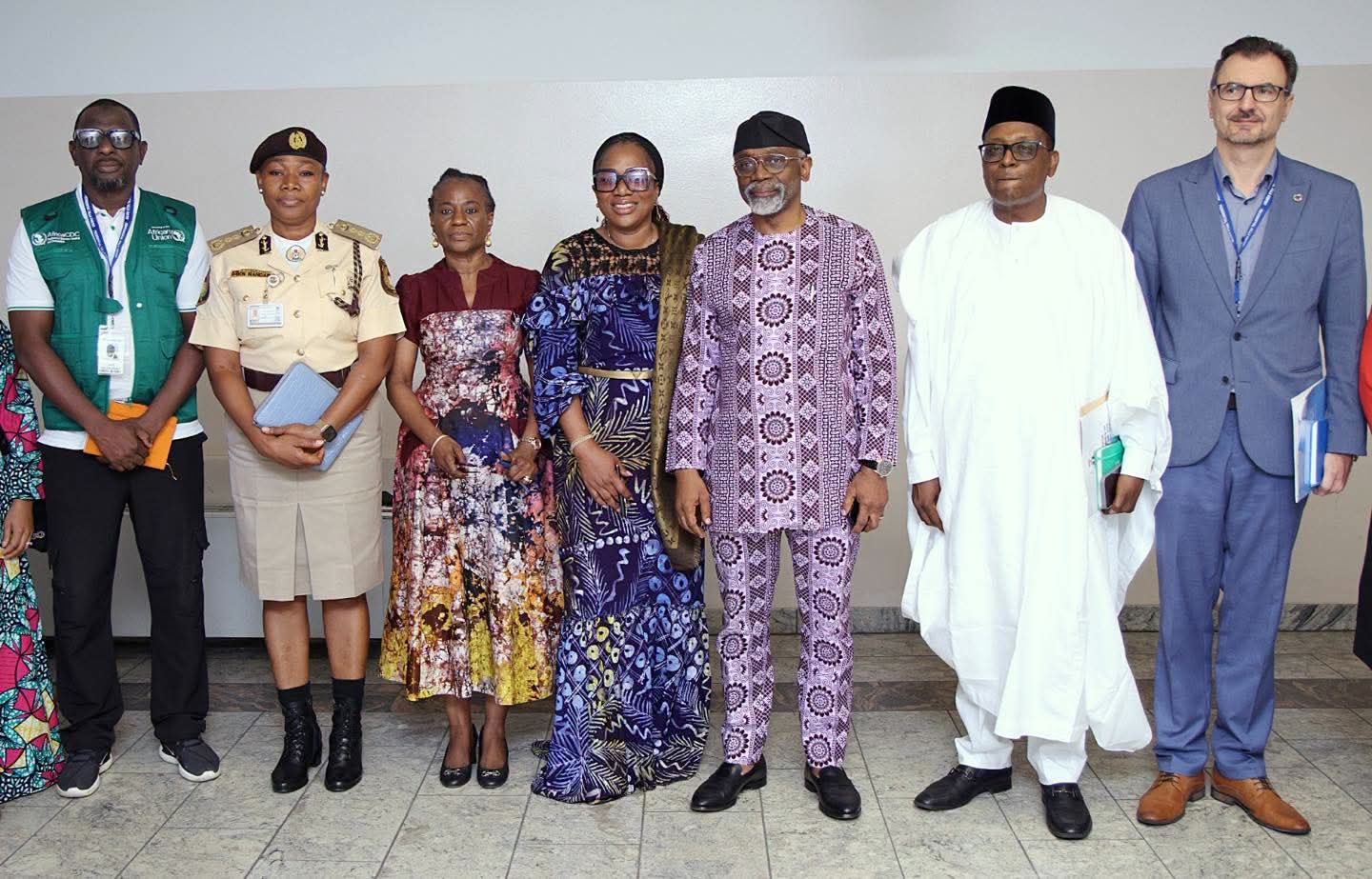
The emergency meeting was attended by key officials from health, immigration and aviation agencies, as well as representatives of international health organisations.
Those present included the Comptroller-General of the Nigeria Immigration Service, Kemi Nandap; Managing Director of the Federal Airports Authority of Nigeria, Bunmi Kuku; WHO Representative, Pavel Ursu; and the Special Regional Representative to the Director-General of Africa CDC, Dr Aliko Ahmed.
Other participants included the Mandate Secretary for Health and Environment in the Federal Capital Territory, Dr Dolapo Fasawe; Lagos State Commissioner for Health, Professor Akin Abayomi; and Minister of Industry, Trade and Investment, Jumoke Oduwole, who participated virtually.
The meeting focused on strengthening coordination among government agencies and health partners to contain the outbreak and protect public health.