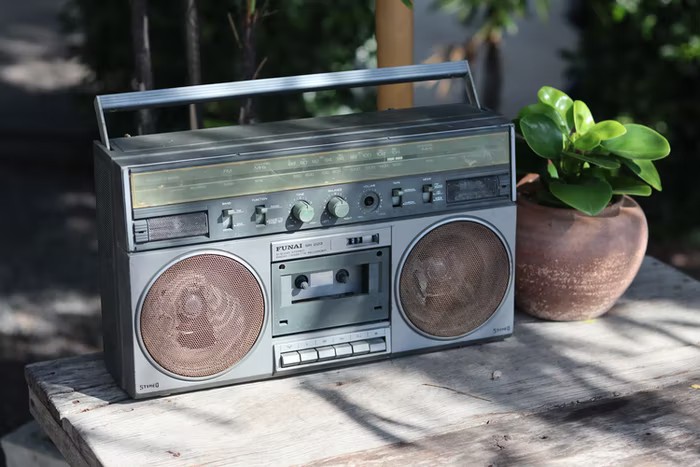
Radio, it is generally agreed, is the most useful medium of social communication for humanity. Radio waves go beyond borders, reaching everybody everywhere, and being a very affordable receiver compared to other forms of media.
We remember the pioneers who contributed to the great invention of the radio. Distinguished researchers such as Heinrich Hertz of Germany, Alexander Popov of Russia, Edouard Branley of France, the American of Serbian origin Nicola Tesla, the Italian Guglielmo Marconi, the British Oliver Lodge’s, the Spanish Cervera Baviera, and the Indian Chandra Bose.
This year’s World Radio Day theme has been divided into three sub-themes, namely Trust in radio journalism, Trust and accessibility, and Trust and viability of radio stations. Acknowledging radio’s ability to reach a wide audience, UNESCO sees it as a critical force to shape humanity, diversity and democratic discourse.
With this year’s celebration coming on the heels of a global pandemic where timely information is critical, radio can be invaluable. In Africa, for example, content in the area of health and safety as well as information that can help to frame and provide structure that can work for the benefit of many can be key.
Radio was first proposed by the Spanish Radio Academy in September 2010. This Spanish initiative had the unanimous support of the international radio industry and many important institutions from different countries. So, after a long debate held on Sept. 29, 2011 within the UNESCO Executive Board, the date was finally set for Feb. 13, which corresponds to the birth of the UN radio in 1946.
The special thing about radio is how relevant it still is in our daily lives. During those long drives for vacation or maybe to work, the radio is still with us, keeping us singing and keeping us informed. It’s like a great friend and neighbor, one who’s always there and never lets you down —except radio will never borrow your weed whacker and forget to return it.
Sadly, recent world events have eroded trust in the media, fueled by the circulation of false content rapidly spreading on social media. Still, radio continues to be one of the most trusted and used media in the world.
If we look at history, radio dates back to the mid-19th century in the world. It worked with the help of sound waves and signals which transmitted the messages to a specified bandwidth. In India, Radio arrived in the early 20th century. However, it took several years before it became the popular medium of mass media.
Radio met the need for information dissemination, especially for those citizens unable to read newspapers; those who were unable to read advertisements and newspapers were able to listen and understand things after the emergence of radio. Among member states that include Nigeria, Angola, the Democratic Republic of Congo, South Africa, many stations have worked to keep communities abreast of the latest developments during the COVID-19 crisis.
In Ghana, with a population of over *32 million (*data from Worldmeters.info), radio is the most prevalent medium according to Media Ownership Monitor, with 481 stations across the country and 354 of them active providing key content for communities also in the area of sports and the arts. Meanwhile, in Gabon, with a population of over 2.2 million, according to Logfm.com, there are 14.
The power of radio has been no better demonstrated than during the coronavirus crisis, where, among other things, the medium has made it possible to ensure the continuity of learning, and to fight against misinformation, read the statement.
Even as much of the global media landscape appears to be dominated by visual and online services, the importance of radio is proved by the continued popularity of all genres of radio programming. UNESCO wrote: “Radio continues to be one of the most trusted and used media in the world, according to different international reporters.”
In cultivating this, they are charging member states to accomplish this through building Trust in Radio Journalism by cultivating independent and high-quality content, in the face of, “the present high-tempo digital age,” with “verifiable information that is shared in the public interest.”
Finally, UNESCO wants radio stations to thrive and grow and so they’ve included a third category called Trust and Viability of Radio Stations which looks to see them survive a financial crisis impacting the medium while transforming loyal audience engagement into financial sustainability. (IDN-InDepthNews)